Why Office Carpet Cleanliness Matters More Than You Think
When you walk into your office each morning, you probably don’t think twice about the carpet beneath your feet. Yet that seemingly innocent flooring harbors a hidden world of allergens, bacteria, dust mites, and contaminants that directly affect your employees’ health and work performance. According to research published in 2025, improved indoor air quality can boost cognitive performance by 61% and productivity by 10%. Your office carpet plays a crucial role in that equation.
For business owners and facility managers, the case for regular commercial cleaning extends far beyond aesthetics. Clean carpets contribute to fewer sick days, higher employee morale, better focus, and ultimately a healthier bottom line. In this comprehensive guide, you’ll discover exactly how dirty carpets impact your workforce and what science-backed cleaning practices can transform your office environment.
The Hidden Contaminants Living in Your Office Carpets
Commercial carpets act as massive filters, trapping everything that enters your office. While this filtering effect can be beneficial initially, carpets quickly become overloaded reservoirs of contaminants without proper maintenance. Scientific studies have consistently shown that carpets harbor significantly higher levels of dust, allergens from fungi, pet dander, and house dust mites compared to hard floor surfaces.
Dust Mites and Allergens
Dust mites are microscopic creatures that thrive in carpet fibers, feeding on dead skin cells shed by employees throughout the workday. Research examining office environments found that approximately one-half of investigated offices had identifiable dust mite populations, and in some cases, these allergens were directly linked to employee health complaints. Each dust mite produces waste particles that become airborne when people walk across carpets, triggering allergic reactions and respiratory issues in sensitive individuals.
Employees exposed to high levels of carpet allergens commonly experience sneezing, congestion, itchy eyes, coughing, and difficulty concentrating. For those with asthma, these allergens can trigger potentially serious attacks that result in missed workdays and decreased productivity. The connection between carpet allergens and workplace health is well-established in occupational health research.
Bacteria and Microorganisms
Beyond dust mites, office carpets accumulate bacteria brought in on shoes, spills, and everyday office activities. Studies have confirmed the relationship between dust mites and bacteria in dust, creating a complex ecosystem of biological contaminants. Common bacteria found in office carpets include Staphylococcus, E. coli, and various mold spores that can survive for extended periods in carpet fibers.

When carpets get wet from spills, tracked-in rain, or humidity, they create ideal breeding grounds for mold and mildew. These organisms release spores into the air that employees breathe throughout the day. The health implications range from minor irritation to serious respiratory conditions, depending on exposure levels and individual sensitivities.
Chemical Pollutants and VOCs
Office carpets also trap volatile organic compounds, or VOCs, from cleaning products, office equipment, furniture, and outdoor pollution tracked inside. These chemicals accumulate in carpet fibers and gradually release back into the air through a process called off-gassing. Poor indoor air quality from these accumulated pollutants contributes to what researchers call Sick Building Syndrome, where employees experience a cluster of symptoms that improve when they leave the building.
The Direct Health Impact on Your Employees
The contaminants living in your office carpets don’t stay put. Every footstep, every chair movement, and every activity resuspends particles into the breathing zone where employees spend eight or more hours each day. This constant exposure creates measurable health consequences that affect both individual well-being and organizational performance.
Respiratory Problems and Allergies
Respiratory complaints are among the most common health issues linked to poor carpet cleanliness in office environments. Employees working in offices with dirty carpets report higher rates of nasal congestion, throat irritation, coughing, and difficulty breathing. For the estimated 50 million Americans who suffer from allergies, these symptoms intensify dramatically in environments with poor indoor air quality.
Asthmatic employees face particularly serious risks. Carpet allergens and irritants can trigger asthma attacks, leading to emergency inhaler use, medical visits, and absences from work. The cumulative effect creates a pattern of reduced capacity and increased healthcare costs for both employees and employers.
Sick Building Syndrome Symptoms
Sick Building Syndrome encompasses a range of health symptoms that employees experience while in a particular building, with improvement or complete resolution when away from that environment. A Malaysian university study identified clear links between poor indoor air quality and Sick Building Syndrome symptoms, with fatigue, headaches, and eye irritation reported by over 80% of participants.
Common symptoms include:
- Persistent headaches that improve after leaving the office
- Unusual fatigue and difficulty concentrating
- Eye, nose, and throat irritation
- Dizziness and nausea
- Skin rashes and irritation
While multiple factors contribute to Sick Building Syndrome, contaminated carpets represent a major source of the indoor air quality problems that trigger these symptoms. Similar to concerns raised in upholstery cleaning, the soft surfaces in your office require regular professional attention to maintain healthy conditions.
Increased Sick Days and Absenteeism
The health effects of dirty carpets translate directly into increased employee absences. When employees feel unwell due to poor indoor air quality, they either call in sick or attempt to work while feeling unwell, a phenomenon called presenteeism. Research indicates that all-cause presenteeism is responsible for an estimated $93 billion worth of productivity losses annually in the United States and £21.2 billion in the United Kingdom.
Carpets also facilitate the spread of contagious illnesses. Viruses and bacteria deposited on carpet surfaces can remain viable for hours or days, increasing transmission rates among employees. When one employee gets sick, contaminated carpets help spread the illness throughout the office, creating waves of absences that disrupt operations and strain remaining staff.
How Dirty Carpets Destroy Workplace Productivity
The connection between carpet cleanliness and productivity might seem indirect, but research reveals powerful correlations. When employees work in environments with poor air quality and accumulated allergens, their cognitive function, focus, and output measurably decline.
Cognitive Function and Mental Performance
Groundbreaking research using machine learning methods analyzed how indoor environmental quality affects work performance in real office conditions. The study found that higher CO2 concentrations were associated with lower task performance and productivity, with slower response times and reduced accuracy linked to higher particulate matter levels and lower ventilation rates.
When employees breathe air contaminated with carpet allergens and pollutants, they experience reduced cognitive performance across multiple dimensions. Decision-making becomes slower, errors increase, creativity diminishes, and complex problem-solving abilities decline. These effects occur even when employees don’t consciously notice air quality issues, making the problem particularly insidious.
Decreased Focus and Concentration
Allergies and irritation caused by dirty carpets create constant distractions that fragment employee attention. An employee dealing with itchy eyes, a runny nose, or a persistent cough cannot maintain the deep focus required for complex work tasks. Each interruption to address these symptoms breaks concentration, requiring additional time to return to full productivity.
The cumulative effect shows up in work quality metrics. Projects take longer to complete, more revisions are necessary, and the overall caliber of output decreases. For knowledge workers whose value derives from mental performance, even subtle decreases in concentration translate to significant productivity losses.
Employee Morale and Job Satisfaction
Working in an environment that makes you feel physically unwell affects psychological well-being and job satisfaction. Employees who consistently feel unwell at work develop negative associations with their workplace, leading to decreased engagement, lower motivation, and higher turnover intentions.
Visibly dirty or poorly maintained carpets also send a message about organizational values. When employees perceive that management doesn’t prioritize their comfort and health, it undermines trust and commitment. Conversely, investing in professional carpet cleaning demonstrates that you value employee well-being, which strengthens loyalty and engagement.
The Transformative Benefits of Professional Carpet Cleaning
While regular vacuuming helps manage surface dirt, only professional carpet cleaning can address the deep-seated contaminants affecting air quality and health. Commercial-grade cleaning methods deliver benefits that extend throughout your organization.
Deep Extraction of Contaminants
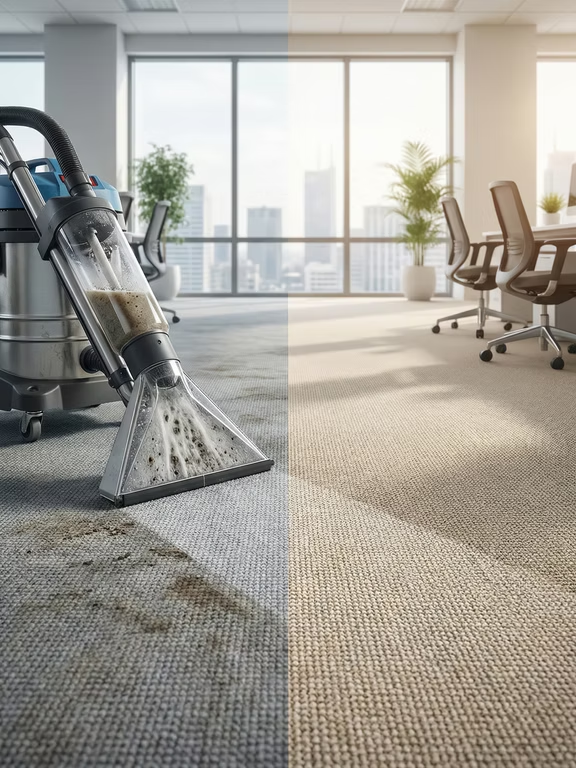
Professional carpet cleaning uses hot water extraction methods that penetrate deep into carpet fibers, loosening and removing embedded dirt, allergens, bacteria, and chemical residues. This process, also called steam cleaning, involves injecting heated cleaning solution deep into the carpet pile, then extracting it along with dissolved contaminants using powerful vacuum equipment.
This deep cleaning removes up to 98% of allergens and bacteria from carpet fibers, dramatically improving indoor air quality. The heat also sanitizes carpets, killing dust mites and their eggs, mold spores, and many bacteria that survive surface cleaning methods. Professional equipment generates far more cleaning power than consumer-grade rental machines or DIY methods.

Dramatically Improved Indoor Air Quality
The most immediate benefit of professional carpet cleaning is measurably cleaner air. By removing the reservoir of contaminants trapped in carpet fibers, you eliminate the source of many airborne particles that employees breathe. This improvement shows up in both air quality testing and employee health reports.
Because carpets act as filters, cleaning them effectively resets their filtering capacity, allowing them to continue trapping new contaminants rather than releasing old ones back into the air. This creates a virtuous cycle where properly maintained carpets actually contribute to better air quality rather than degrading it.
Reduced Allergens and Irritants
Professional cleaning specifically targets the allergens that cause the most problems for sensitive employees. Dust mite populations decrease dramatically, pollen trapped in fibers gets removed, and mold spores are eliminated. Employees with allergies typically notice improvement within days of professional cleaning, reporting fewer symptoms and better breathing.
Regular professional cleaning also prevents allergen accumulation from reaching problematic levels. Rather than waiting until carpets become heavily contaminated, scheduled maintenance keeps allergen levels consistently low, providing ongoing protection for all employees. Much like recognizing warning signs your carpet needs attention, proactive scheduling prevents problems before they impact health.
Extended Carpet Lifespan and Appearance
Beyond health benefits, professional cleaning protects your flooring investment by removing abrasive particles that wear down carpet fibers. Regular professional maintenance can extend commercial carpet lifespan by five to ten years, delaying costly replacement expenses. Clean carpets also maintain their appearance, color, and texture, ensuring your office continues presenting a professional image to clients and visitors.
How Often Should Commercial Carpets Be Professionally Cleaned?
One of the most common questions facility managers ask is how often carpets need professional cleaning. According to industry best practices, the answer depends on several factors, but general guidelines provide a solid starting framework.
General Office Spaces
For typical office environments with moderate foot traffic, professional carpet cleaning every six to twelve months maintains acceptable conditions. This baseline frequency prevents excessive buildup of contaminants while balancing budget considerations.
However, offices with higher employee density, public-facing areas, or employees with known sensitivities benefit from quarterly cleaning every three months. This more aggressive schedule keeps allergen levels consistently low and maintains optimal air quality year-round.
High-Traffic Areas Require More Frequent Attention
Entryways, lobbies, hallways, break rooms, and conference rooms experience significantly more foot traffic than private offices or low-use spaces. These high-traffic zones accumulate contaminants much faster and require cleaning every one to three months to prevent them from becoming problematic.
Industry experts recommend spending 80 percent of cleaning time and resources on the 20 percent of carpet that receives the highest traffic. This concentrated approach delivers maximum health and appearance benefits while optimizing cleaning budgets.
Seasonal and Environmental Factors
Geographic location and weather patterns influence optimal cleaning frequency. Offices in areas with harsh winter weather or heavy rain periods need more frequent cleaning during these seasons, as employees track in more moisture, salt, and debris. Quarterly cleaning during challenging weather seasons, with extended intervals during favorable weather, often provides the best balance.
Certain situations warrant immediate cleaning regardless of schedule. Water damage, significant spills, pest problems, or the need to address pet accidents in pet-friendly offices require prompt professional attention to prevent lasting damage and health hazards.
Daily Maintenance Practices That Support Clean Carpets
Professional deep cleaning provides the foundation for healthy office carpets, but daily maintenance practices determine how well those benefits are sustained between professional services.
Comprehensive Daily Vacuuming
Daily vacuuming is the single most important maintenance practice for commercial carpets. Using commercial-grade vacuum equipment with HEPA filtration, maintenance staff should vacuum all carpeted areas at the end of each business day. Proper vacuuming removes approximately 80 percent of dry soil, preventing it from working deeper into carpet fibers where it becomes harder to remove.
Effective vacuuming requires using slow, overlapping passes that allow the vacuum to pick up embedded particles. Quick passes miss much of the dirt and provide minimal benefit. High-traffic areas benefit from twice-daily vacuuming to manage the constant influx of new contaminants.
Strategic Entry Matting Systems
Research shows that proper entry matting systems measuring ten to fifteen feet in length can trap up to 80 percent of soil before it reaches interior carpets. This simple intervention dramatically reduces the amount of dirt, moisture, and contaminants that employees track throughout the office.
Entry mats themselves require regular cleaning and maintenance to remain effective. Mats should be vacuumed daily and professionally cleaned weekly to prevent them from becoming saturated with dirt and losing their trapping ability.
Immediate Spot Treatment for Spills
Spills and stains should receive immediate attention before they set into carpet fibers or create moisture problems. Having spot cleaning supplies readily available throughout the office enables quick response to accidents. Blotting spills immediately, using appropriate cleaning solutions, and ensuring thorough drying prevents permanent staining and mold growth.
Implementing Shoe Policies
While not practical in all office environments, some forward-thinking companies implement shoe-free policies or provide indoor-only footwear for employees. This approach dramatically reduces the amount of outdoor contaminants entering the office and can extend the time between necessary professional cleanings.
Choosing the Right Commercial Carpet Cleaning Service
The benefits described throughout this article depend entirely on using qualified professional cleaning services. Not all carpet cleaning companies deliver the same quality, making selection an important decision for facility managers.
Industry Certification and Training
Look for companies whose technicians hold certifications from recognized industry organizations like the Institute of Inspection, Cleaning and Restoration Certification, or IICRC. These certifications demonstrate that technicians have received proper training in carpet fiber identification, appropriate cleaning methods, and safety protocols.
The best companies invest in ongoing education for their staff, ensuring they stay current with evolving best practices, new equipment, and emerging cleaning technologies. Ask prospective cleaning services about their training programs and certification maintenance.
Professional-Grade Equipment and Methods
Commercial carpet cleaning requires powerful truck-mounted or portable extraction equipment that consumer products cannot match. Professional equipment generates higher water temperatures, stronger vacuum suction, and more effective agitation, delivering superior cleaning results.
Qualified cleaning services assess your specific carpet type, soiling conditions, and operational requirements to select the most appropriate cleaning method. Options include hot water extraction, low-moisture encapsulation cleaning for quick drying, and specialized treatments for specific stain types or contamination issues.
Eco-Friendly and Health-Conscious Solutions
Given that the goal of commercial carpet cleaning is improving employee health, the cleaning solutions used should not introduce new chemical irritants. Many professional services now offer green cleaning options using biodegradable, non-toxic solutions that effectively clean without leaving harmful residues.
Look for cleaning services that use products certified by environmental organizations and that can provide documentation of their safety for use in occupied spaces. The best services can accommodate employees with chemical sensitivities or specific health concerns.
Transparent Pricing and Service Guarantees
Professional carpet cleaning services should provide detailed written estimates that outline exactly what services are included, expected timeframes, and clear pricing without hidden fees. Be wary of unusually low bids that might indicate inferior equipment, undertrained staff, or bait-and-switch pricing tactics.
Quality-focused companies stand behind their work with satisfaction guarantees. If you’re not satisfied with the results, they should return to address concerns at no additional charge. This guarantee demonstrates confidence in their work quality and commitment to customer satisfaction.
Measuring the ROI of Professional Carpet Cleaning
For budget-conscious business owners, professional carpet cleaning might seem like a discretionary expense. However, when you examine the measurable returns, it becomes clear that regular cleaning is a wise investment with multiple financial benefits.
Reduced Healthcare Costs and Sick Days
Fewer employee sick days translate directly to maintained productivity and reduced health insurance claims. When employees stay healthier due to improved indoor air quality, companies avoid the costs of temporary replacement workers, overtime for covering absent colleagues, and disrupted project timelines.
The cost of quarterly professional carpet cleaning is minimal compared to the average cost of a single employee sick day, which includes lost productivity, potential healthcare expenses, and workflow disruption. If regular cleaning prevents even a handful of sick days per year across your workforce, it pays for itself many times over.
Increased Productivity and Performance
Remember that research showing a 10% productivity improvement from better indoor air quality. For an office with 50 employees earning an average of $50,000 annually, a 10% productivity gain represents $250,000 in additional value created. Even if professional carpet cleaning contributes to just a fraction of that improvement, the return on investment is substantial.
Beyond quantity, productivity improvements include work quality enhancements that are harder to quantify but equally valuable. Better decision-making, fewer errors, and enhanced creativity all contribute to organizational success in ways that extend beyond simple output metrics.
Extended Carpet Lifespan
Commercial carpet replacement represents a significant capital expense, typically costing between three and ten dollars per square foot depending on quality. For a 10,000 square foot office, replacement costs can easily reach $50,000 or more when including installation, furniture moving, and business disruption.
Regular professional cleaning that extends carpet life by even two years delivers thousands of dollars in avoided replacement costs. This benefit alone often justifies cleaning expenses, making the health and productivity benefits additional value rather than the primary economic driver.
Improved Employee Retention
In today’s competitive labor market, employee retention delivers enormous value. The cost of replacing an employee typically ranges from 50% to 200% of their annual salary when factoring in recruiting, hiring, training, and lost productivity during the transition period.
While carpet cleanliness alone won’t determine whether employees stay or leave, it contributes to the overall workplace environment that influences retention decisions. Employees who feel their employer cares about their health and comfort are more likely to remain loyal, reducing turnover-related costs.
Creating a Healthier, More Productive Office Environment
The connection between commercial carpet cleaning and employee health and productivity is clear and well-documented. Dirty carpets harbor allergens, bacteria, dust mites, and chemical pollutants that degrade indoor air quality, trigger health problems, increase absences, and reduce cognitive performance. These problems impose real costs on organizations through decreased productivity, increased sick days, and lower employee morale.
Fortunately, the solution is straightforward and proven. Regular professional carpet cleaning removes deep-seated contaminants, dramatically improves air quality, reduces allergen exposure, and creates healthier work environments where employees can perform at their best. Combined with daily maintenance practices and appropriate cleaning frequency, professional carpet care transforms your office environment.
When viewed as an investment rather than an expense, commercial carpet cleaning delivers measurable returns through improved health outcomes, enhanced productivity, extended asset life, and better employee retention. The research is unambiguous: clean carpets contribute to healthier, happier, and more productive workplaces.
If your office carpets haven’t received professional cleaning in the past six months, or if employees have complained about allergies, air quality, or unexplained symptoms at work, now is the time to take action. Schedule a professional evaluation of your carpet condition and develop a maintenance plan that protects your most valuable asset: your people.
Your employees spend a third of their waking hours in your office environment. Make sure that environment supports their health, well-being, and performance rather than undermining it. Professional carpet cleaning is a simple step with profound effects that ripple throughout your entire organization. The question isn’t whether you can afford to invest in clean carpets, but whether you can afford not to.