Understanding Your Carpet Cleaning Options
Choosing between steam cleaning and dry cleaning for your carpets can feel overwhelming. You want your carpets to look their best, but you also need to consider drying time, effectiveness, and whether the method is right for your specific carpet type. The good news is that understanding the key differences between these two popular cleaning methods will help you make an informed decision that keeps your floors looking beautiful and extends their lifespan.
Professional carpet care has evolved significantly over the years, with both steam cleaning and dry cleaning methods offering distinct advantages depending on your unique situation. Whether you’re dealing with stubborn stains, high-traffic areas, or simply maintaining your carpet’s appearance, knowing which method works best for your home can save you time, money, and frustration.
What Is Steam Cleaning? The Deep-Clean Solution
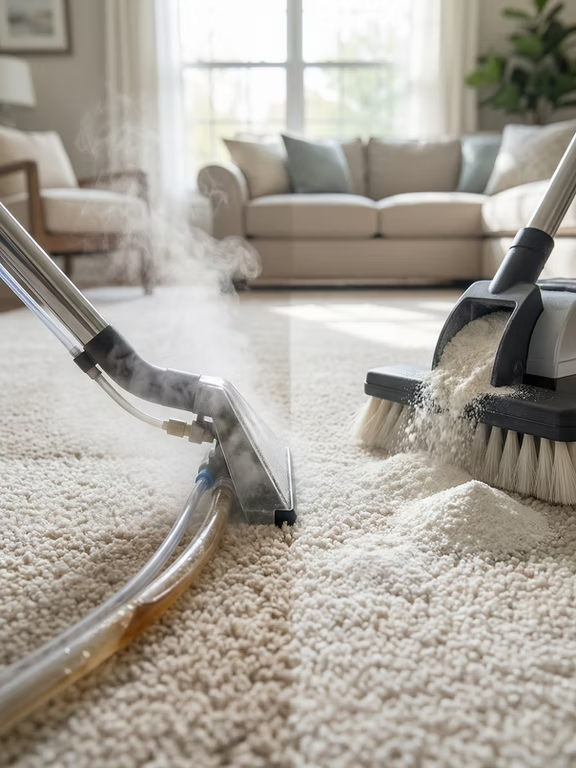
Steam cleaning, also known as hot water extraction, is the most widely recommended carpet cleaning method by manufacturers and industry professionals. According to the ANSI/IICRC S100 Standard for Professional Cleaning of Textile Floor Coverings, hot water extraction is considered the gold standard for deep carpet cleaning. This method sprays heated water mixed with a cleaning solution deep into your carpet fibers and then immediately extracts it, pulling out water along with dirt, allergens, and bacteria that have settled deep within the pile.
The process involves professional-grade equipment that heats water to temperatures between 150-200 degrees Fahrenheit. This hot water, combined with powerful cleaning agents, penetrates deep into the carpet backing, loosening embedded dirt, dust mites, pet dander, and other contaminants that regular vacuuming simply cannot reach. The extraction phase uses powerful suction to remove the dirty water and cleaning solution, leaving your carpets thoroughly cleaned from top to bottom.
Key Benefits of Steam Cleaning
Steam cleaning excels at providing the deepest possible clean for your carpets. Industry research from Angi shows that steam cleaning removes over 90% of dirt and bacteria from carpeting, making it significantly more effective than surface-level cleaning methods. This deep penetration is especially important for households with pets, children, or anyone suffering from allergies.
The high heat used in steam cleaning does more than just remove visible dirt. Research has shown a correlation between increased heat levels during carpet cleaning and improved allergen reduction rates. The hot water kills dust mites, bacteria, and other microscopic organisms that can trigger allergic reactions and respiratory issues. If you’ve noticed the warning signs your carpet needs professional cleaning, steam cleaning addresses these health concerns effectively.
Nearly all carpet manufacturers and carpet fiber producers recommend hot water extraction as their preferred cleaning method. This endorsement isn’t arbitrary—steam cleaning is gentle enough to protect your carpet warranty while being powerful enough to remove deep-seated grime. When you invest in professional carpet cleaning services, you’re following manufacturer guidelines that help extend your carpet’s lifespan by 5-10 years.

Considerations and Limitations of Steam Cleaning
The primary drawback of steam cleaning is the drying time. Because this method saturates your carpet with water, it typically requires 4-8 hours to dry completely, though some carpets may take up to 24 hours depending on humidity levels, air circulation, and carpet thickness. During this time, you’ll need to keep foot traffic to a minimum to avoid re-soiling the damp fibers.
The extended moisture exposure can potentially lead to mold or mildew growth if the carpet doesn’t dry properly or if too much water is used during the cleaning process. This is why it’s crucial to work with certified professionals who have truck-mounted extraction equipment capable of removing the maximum amount of water during the extraction phase. Professional technicians know exactly how much water to use and how to ensure proper drying.
Hot water extraction isn’t recommended for use more than once or twice per year. While this frequency is typically sufficient for most households, it means you’ll need to supplement with regular vacuuming and spot cleaning between professional treatments. The good news is that when done correctly, steam cleaning provides such thorough results that annual or bi-annual treatments are usually adequate.
What Is Dry Cleaning? The Quick-Dry Alternative
Dry carpet cleaning, also called encapsulation or powder cleaning, offers a low-moisture alternative to traditional steam cleaning. This method uses specialized cleaning compounds or powders that are worked into the carpet fibers using a machine with rotating brushes. These compounds attract and encapsulate dirt particles, which are then vacuumed away, leaving your carpet clean and ready to use in as little as 30 minutes to 2 hours.
The dry cleaning process begins with a thorough vacuuming to remove surface dirt and debris. Next, a cleaning powder or foam is applied to the carpet and worked into the fibers using counter-rotating brushes or bonnets. The cleaning agents surround dirt particles in tiny crystals that can be easily vacuumed up. Because minimal moisture is involved, there’s virtually no risk of mold growth, and your carpets are ready for immediate use once the cleaning process is complete.
Key Benefits of Dry Cleaning
The most significant advantage of dry cleaning is the minimal drying time. Your carpets can be walked on almost immediately after cleaning, making this method ideal for busy households, commercial spaces, or situations where you simply cannot afford to have rooms out of commission for an entire day. The treated rooms are typically only out of service for 30 minutes to an hour, which is particularly valuable for commercial cleaning applications where downtime equals lost revenue.
According to industry trends, the usage of low-moisture encapsulation cleaning methods has grown by 20% since 2019, primarily due to faster drying times and the ability to perform more frequent cleanings. Dry cleaning is excellent for regular maintenance between deep steam cleanings, helping you maintain your carpet’s appearance without the wait. Many professional cleaning services recommend at least one hot water extraction cleaning for every 3-4 encapsulation cleanings to prevent buildup.
Dry cleaning can be gentler on certain delicate carpet types that might be damaged by excessive moisture. Natural fibers like wool, sisal, or antique rugs often benefit from low-moisture cleaning methods that reduce the risk of shrinkage, color bleeding, or fiber damage. This makes dry cleaning an excellent choice for specialty carpets that require extra care.
Dry cleaning systems are generally less expensive than professional steam cleaning equipment, which can translate to lower service costs for consumers. The reduced complexity of the equipment and faster treatment times make dry cleaning an economical option for routine maintenance, especially when combined with periodic deep steam cleanings.
Considerations and Limitations of Dry Cleaning
The most significant limitation of dry cleaning is that it primarily cleans the top third of your carpet fibers. Unlike steam cleaning, which penetrates deep into the backing, dry cleaning methods don’t effectively remove dirt and grime that have settled near the carpet’s foundation. This means you’ll only get surface-level results, which may not address deeply embedded allergens, bacteria, or old stains.
While dry cleaning excels at maintaining already-clean carpets, it’s not the best choice for heavily soiled carpets or serious stain removal. If you’re dealing with pet accidents, deeply embedded odors, or years of accumulated grime, dry cleaning simply won’t provide the thorough restoration that hot water extraction offers. For these situations, you’ll need the deep-cleaning power of steam cleaning or specialized pet stain removal services.
Some dry cleaning methods, particularly older bonnet cleaning techniques, can leave behind chemical residues that actually attract more dirt over time. This can lead to faster re-soiling and the need for more frequent cleanings. Modern encapsulation methods have largely addressed this issue, but it’s still something to consider when choosing a cleaning provider.
Steam Cleaning vs. Dry Cleaning: Head-to-Head Comparison
Cleaning Depth and Effectiveness
When it comes to deep cleaning power, steam cleaning is the clear winner. Hot water extraction removes at least 97% of dirt and bacteria buildup from carpeting, penetrating all the way to the backing to extract embedded contaminants. Dry cleaning, while effective for surface maintenance, only addresses the upper portions of carpet fibers and cannot match the thoroughness of steam cleaning.
Choose steam cleaning when you need comprehensive deep cleaning, allergen removal, or restoration of heavily soiled carpets. Opt for dry cleaning when you need quick maintenance cleanings between deep treatments or when working with moisture-sensitive carpet types.
Drying Time and Convenience
Dry cleaning wins decisively in the convenience category. With drying times of 30 minutes to 2 hours, dry-cleaned carpets can be used almost immediately. Steam cleaning requires 4-8 hours minimum, with some situations requiring up to 24 hours for complete drying. This extended downtime can be challenging for households with children, pets, or limited alternative spaces.
However, professional steam cleaning services using truck-mounted extraction equipment can significantly reduce drying times compared to rental machines or less powerful portable units. Certified technicians also use air movers and dehumidifiers to accelerate the drying process, often bringing drying times down to the 4-6 hour range.

Allergen and Bacteria Removal
For households concerned about indoor air quality, allergies, or asthma, steam cleaning provides superior allergen removal. The high heat kills dust mites, bacteria, mold spores, and other microscopic organisms that dry cleaning simply cannot eliminate. The deep extraction also removes pet dander, pollen, and other allergens that have settled deep within the carpet pile.
If you’ve been experiencing unexplained allergy symptoms or have noticed hidden health hazards in your upholstery, the same contaminants are likely present in your carpets. Steam cleaning addresses these health concerns more comprehensively than dry cleaning methods.
Cost Comparison
Dry cleaning typically costs less per treatment than steam cleaning, making it an economical choice for frequent maintenance. However, when you factor in the need for periodic deep steam cleanings to address embedded dirt that dry cleaning cannot remove, the long-term costs become more comparable. A balanced approach—regular dry cleaning supplemented with annual or bi-annual steam cleaning—often provides the best value.
Remember that professional carpet cleaning, regardless of method, is an investment that extends your carpet’s lifespan. Replacing carpeting costs thousands of dollars, while regular professional maintenance costs hundreds. When viewed as preventive care rather than an expense, both methods pay for themselves many times over.
Carpet Type and Material Considerations
The carpet’s material plays a critical role in determining the appropriate cleaning method. Synthetic fibers like nylon, polyester, and olefin are durable and can handle the moisture and heat of steam cleaning without issue. These materials benefit most from the deep cleaning that hot water extraction provides.
Natural fibers like wool, sisal, jute, and silk require more careful consideration. While high-quality wool carpets can be steam cleaned by experienced professionals, these delicate materials are more susceptible to shrinkage, color bleeding, and fiber damage from excessive moisture. Dry cleaning methods are often safer for natural fiber carpets, though professional assessment is recommended.
Loop pile carpets, particularly berber styles, can sometimes retain moisture longer than cut pile carpets, making dry cleaning an attractive option. However, berber carpets with synthetic fibers generally tolerate steam cleaning well when performed by professionals who understand how to manage moisture levels appropriately.
Which Method Is Right for Your Home?
Choose Steam Cleaning When:
- You need deep, thorough cleaning: For annual or bi-annual deep cleaning that removes embedded dirt, allergens, and bacteria from deep within carpet fibers.
- You have high-traffic areas: Heavily used areas accumulate dirt deep in the pile that only hot water extraction can effectively remove.
- You have pets: Pet dander, urine, and odors require the deep cleaning and sanitizing power of steam cleaning to fully eliminate.
- Family members have allergies: The allergen removal and bacteria-killing benefits of hot water extraction are essential for improving indoor air quality.
- You’re dealing with stubborn stains: Deep-set stains from wine, coffee, food, or other substances respond best to steam cleaning’s penetrating power.
- Your carpet hasn’t been professionally cleaned in over a year: Significant dirt accumulation requires the comprehensive cleaning that only steam cleaning provides.
Choose Dry Cleaning When:
- You need quick maintenance cleaning: For routine upkeep between deep steam cleanings, especially in moderate-traffic areas.
- You can’t afford downtime: When you need carpets ready for use within 1-2 hours, such as before guests arrive or in commercial settings.
- You have moisture-sensitive carpets: Delicate natural fibers or antique rugs that cannot tolerate excessive moisture.
- You want frequent touch-ups: For maintaining appearance between professional deep cleanings, particularly in visible areas.
- You’re addressing surface-level dirt: When your carpets are generally clean but need refreshing to restore appearance.
- You manage commercial spaces: Businesses that cannot close areas for extended periods benefit from dry cleaning’s minimal disruption.
The Best Approach: A Hybrid Strategy
For most homeowners, the optimal carpet care strategy combines both methods rather than choosing exclusively one or the other. This hybrid approach leverages the strengths of each method while minimizing their limitations, providing comprehensive care that keeps your carpets looking their best year-round.
Industry professionals typically recommend one thorough steam cleaning annually or bi-annually, supplemented by dry cleaning maintenance every 3-6 months depending on traffic levels. This strategy ensures that deep-seated dirt and allergens are removed regularly while maintaining surface appearance between deep cleanings.
Commercial spaces with extremely high traffic may benefit from monthly or quarterly dry cleaning to maintain appearance, with steam cleaning performed 2-4 times per year to address deep soiling. This frequency prevents dirt from becoming so embedded that it damages carpet fibers, extending the carpet’s serviceable life significantly.
Professional Service vs. DIY: What You Need to Know
While rental steam cleaners and DIY carpet cleaning machines are available at many hardware stores, they cannot match the results of professional equipment and expertise. Consumer-grade machines lack the heating capacity, water pressure, and extraction power of truck-mounted professional systems. They also use far less water temperature, reducing cleaning effectiveness.
Professional carpet cleaners bring more than just superior equipment—they have the training to identify carpet types, select appropriate cleaning agents, adjust techniques for different soiling levels, and properly manage moisture to prevent damage. Certified technicians understand the chemistry of cleaning, know how to address specific stain types, and can spot potential problems like delamination or fiber damage before they worsen.
The time investment for DIY carpet cleaning is substantial. You’ll need to move furniture, pre-treat stains, make multiple passes with the machine, allow for extended drying time, and then return the rental equipment—all while achieving inferior results compared to professional service. When you factor in your time, the rental costs, and the purchase of cleaning solutions, professional service often provides better value.
How to Choose the Right Professional Carpet Cleaning Service
When selecting a professional carpet cleaning company, look for certifications from the Institute of Inspection, Cleaning and Restoration Certification (IICRC). IICRC-certified technicians have completed rigorous training in proper cleaning techniques, safety protocols, and industry best practices. This certification ensures your carpet cleaner follows recognized standards rather than using potentially damaging shortcuts.
Ask about the equipment and methods the company uses. Truck-mounted hot water extraction systems are superior to portable units for steam cleaning. For dry cleaning, modern encapsulation methods are preferable to older bonnet cleaning techniques. A reputable company should be able to explain their process and why it’s appropriate for your specific carpet type.
Look for companies that offer satisfaction guarantees and are willing to address any concerns after the cleaning is complete. Transparent pricing with no hidden fees, flexible scheduling, and positive customer reviews are all indicators of a professional, trustworthy service provider. At Elite Floor and Upholstery Care, we pride ourselves on delivering exceptional results using professional-grade equipment, eco-friendly cleaning solutions, and certified technicians who treat your home with care and respect.
Maintaining Your Carpets Between Professional Cleanings
Regular vacuuming is the single most important thing you can do to extend the time between professional cleanings and protect your carpet investment. Vacuum high-traffic areas at least twice weekly, and moderate-traffic areas weekly. This removes surface dirt before it gets ground deep into the fibers where it causes abrasion and premature wear.
Address spills and stains immediately. The longer a substance sits on your carpet, the more difficult it becomes to remove. Blot—never rub—fresh spills with a clean white cloth, working from the outside of the stain toward the center to prevent spreading. Keep carpet-safe spot cleaning products on hand for quick response to accidents.
Prevention is the best maintenance strategy. Use doormats at all entrances to reduce the amount of dirt tracked onto carpets. Implement a no-shoes policy or provide a designated area for shoe removal. Place protective mats under rolling office chairs and furniture with casters to prevent crushing and abrasion of carpet fibers.
Establish a regular professional cleaning schedule rather than waiting until carpets look visibly dirty. By the time soiling is obvious to the eye, significant damage may have already occurred to the fibers. Preventive professional cleaning every 12-18 months for most homes, or every 6-12 months for homes with pets or children, keeps carpets in optimal condition and actually reduces long-term cleaning costs.
Making the Right Choice for Your Home
The debate between steam cleaning and dry cleaning doesn’t have a one-size-fits-all answer. Steam cleaning offers unmatched deep cleaning power, allergen removal, and restoration capabilities, making it essential for thorough annual or bi-annual maintenance. Dry cleaning provides convenience, fast drying times, and excellent results for routine upkeep between deep cleanings.
Most homeowners will achieve the best results by combining both methods: comprehensive steam cleaning for deep restoration and sanitization, supplemented by dry cleaning for quick maintenance and touch-ups. This balanced approach keeps your carpets looking beautiful, feeling fresh, and lasting longer than either method could achieve alone.
If you’re unsure which method is right for your specific situation, consult with a professional carpet cleaning service. A qualified technician can assess your carpet type, soiling level, and unique needs to recommend the most effective approach. Your carpets represent a significant investment in your home’s comfort and appearance—choosing the right cleaning method ensures that investment pays dividends for years to come.
Ready to give your carpets the professional care they deserve? Contact Elite Floor and Upholstery Care today to schedule a consultation. Our certified technicians will evaluate your carpets and recommend the cleaning method that best meets your needs, whether that’s deep steam cleaning, low-moisture dry cleaning, or a customized combination approach. We use eco-friendly, family-safe cleaning solutions and state-of-the-art equipment to deliver exceptional results you can see and feel.