The Invisible Threat Living in Your Furniture
If you suffer from allergies and find yourself sneezing, experiencing watery eyes, or dealing with respiratory discomfort even when you’re indoors, your upholstered furniture might be the culprit. While most people associate allergen exposure with outdoor pollen or pet dander, there’s an entire ecosystem of microscopic threats living in the fibers of your couches, chairs, and cushions. These hidden health hazards can significantly impact your quality of life, especially if you’re already dealing with allergies or asthma.
According to the American Lung Association, roughly 84 percent of U.S. homes have detectable levels of dust mites, with upholstered furniture serving as one of the primary reservoirs for these microscopic pests and their allergenic waste. Understanding what’s lurking in your upholstery and why professional upholstery cleaning is essential can be the first step toward breathing easier in your own home.
What’s Really Living in Your Upholstered Furniture
Your comfortable couch or favorite armchair might look clean on the surface, but beneath that exterior lies a complex ecosystem of allergens that can trigger various health problems. Let’s explore the most common culprits that make upholstery a health hazard for allergy sufferers.
Dust Mites: The Primary Allergen Source
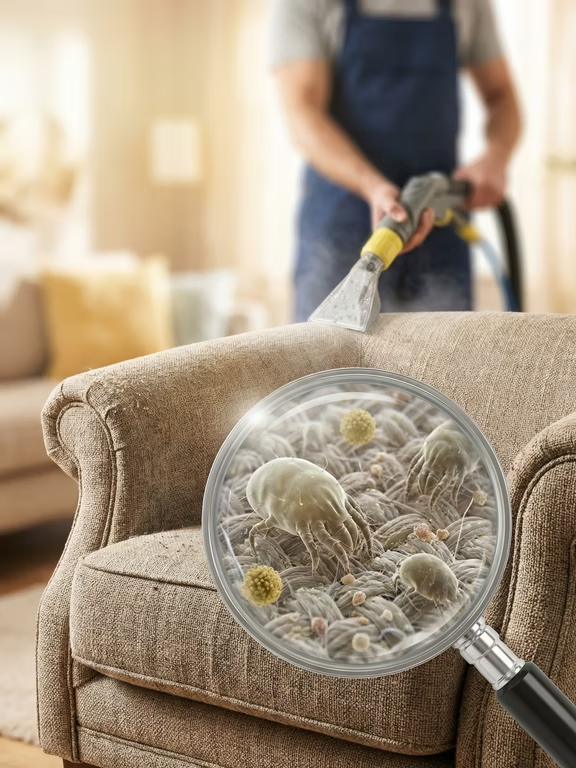
Dust mites are microscopic arachnids that thrive in warm, humid environments. They feed on dead skin cells that humans naturally shed throughout the day, making upholstered furniture an ideal habitat. There may be as many as 19,000 dust mites in one gram of dust, though typically between 100 to 500 mites live in each gram. These creatures don’t bite or spread disease directly, but their fecal matter and body fragments contain powerful allergens that become airborne and trigger allergic reactions.
The health impact of dust mites is staggering. Research from the National Institute of Environmental Health Sciences shows that dust mites are one of the major indoor triggers for people with asthma, and people with asthma who are sensitive to dust mites face an increased risk of asthma attacks. Studies indicate that up to 90 percent of people with allergic asthma in some regions are sensitized to dust mites, making them one of the most significant indoor allergen sources.

Pet Dander and Allergen Accumulation
Even if you don’t currently have pets, your upholstery may still harbor pet dander from previous owners, visitors with pets, or even dander that’s traveled on clothing from other locations. Pet allergens are particularly problematic because they’re sticky and clingy by nature. These proteins from pet skin, saliva, and urine remain suspended in the air for long periods and easily adhere to furniture, bedding, and fabrics, significantly reducing indoor air quality.
What makes pet dander especially concerning is its persistence. Unlike dust that can be vacuumed away relatively easily, pet allergens embed themselves deep into upholstery fibers and can remain there for months or even years without proper professional intervention. If you’re dealing with persistent allergies and have pets in your home, addressing the pet allergens in your furniture through professional pet stain and allergen removal services should be a priority.
Mold Spores and Bacteria
Moisture is upholstery’s enemy, and unfortunately, it’s also incredibly common. Spilled drinks, humidity, sweat, and even cleaning attempts with too much water can create the perfect environment for mold and bacteria growth. Once mold establishes itself in the porous materials of your furniture, it releases spores into the air that can trigger allergic reactions, respiratory problems, and even more serious health issues in immune-compromised individuals.
Bacteria accumulation in upholstery is another often-overlooked health concern. Every time you sit on your furniture, you transfer bacteria from your skin and clothing. Food particles that fall into crevices provide nutrients for bacterial growth. Over time, this bacterial buildup not only creates unpleasant odors but can also contribute to skin irritations and respiratory problems, especially for those with compromised immune systems or existing allergies.
Pollen and Outdoor Allergens
You might think that staying indoors protects you from seasonal allergies, but outdoor allergens have a way of following you inside. Pollen, grass particles, and other outdoor allergens cling to your clothing, shoes, and even your pets’ fur. Once inside, these allergens settle onto your upholstered furniture, where they can remain for extended periods. According to research from the Asthma and Allergy Foundation of America, allergens can circulate in air and remain on carpets and furniture for months, creating a persistent source of allergic reactions even during non-peak allergy seasons.
How Upholstery Allergens Affect Your Health
Understanding the specific health impacts of upholstery allergens helps illustrate why professional cleaning isn’t just about aesthetics—it’s about protecting your health and well-being. The effects can range from minor annoyances to serious respiratory complications.
Immediate Allergic Reactions
The most common immediate reactions to upholstery allergens include sneezing, runny or stuffy nose, itchy and watery eyes, and coughing. These symptoms occur when your immune system overreacts to the proteins found in dust mite waste, pet dander, or mold spores. For some people, these symptoms are mild and manageable. For others, especially those with existing allergies or sensitivities, the symptoms can be severe enough to interfere with daily activities, sleep quality, and overall quality of life.
Chronic Respiratory Issues and Asthma
For individuals with asthma, upholstery allergens represent a serious health threat. Dust mites and their waste products are particularly problematic, as they can trigger asthma attacks that range from mild wheezing to severe breathing difficulties requiring medical intervention. Children allergic to dust mites are five times more likely to develop asthma, highlighting the importance of allergen control during early developmental years.
Chronic exposure to upholstery allergens can also lead to the development of new respiratory sensitivities or the worsening of existing conditions. Even if you don’t currently have asthma, prolonged exposure to high levels of indoor allergens can sensitize your respiratory system, potentially leading to the development of allergic asthma or other chronic respiratory conditions over time.
Skin Irritations and Dermatological Issues
Direct contact with allergen-laden upholstery can cause skin reactions, particularly in individuals with sensitive skin or existing conditions like eczema. Symptoms may include itching, redness, rashes, or hives. These reactions occur when allergen proteins come into contact with your skin or when you have an allergic response to bacteria or mold growing in the furniture fabric.
Impact on Sleep Quality and Fatigue
Many people don’t realize that their upholstered furniture, particularly upholstered headboards, bedroom chairs, or even living room furniture where they relax in the evening, can significantly impact sleep quality. Allergen exposure before and during sleep can cause nasal congestion, postnasal drip, and coughing that disrupts your rest. Poor sleep quality due to allergen exposure leads to daytime fatigue, difficulty concentrating, mood changes, and reduced productivity—impacts that extend far beyond the immediate allergic symptoms.
Why DIY Cleaning Methods Fall Short
Many homeowners attempt to manage upholstery allergens through regular vacuuming and spot cleaning, and while these practices are certainly better than doing nothing, they’re insufficient for truly controlling allergen levels in your furniture. Understanding the limitations of DIY methods helps explain why professional intervention is necessary.
Surface-Level Cleaning Only
Regular vacuuming with a standard vacuum cleaner only removes surface-level dust and debris. The allergens that cause the most significant health problems—dust mite waste, deeply embedded pet dander, and mold spores—reside deep within the upholstery fibers, padding, and even the furniture frame itself.
Standard vacuum cleaners lack the suction power and specialized attachments needed to extract these deeply embedded allergens. Even HEPA-filtered vacuums, while helpful for trapping particles they do collect, can’t reach the allergens buried in the interior layers of your furniture.
Moisture Issues with DIY Steam Cleaning
Rental steam cleaners and home carpet cleaning machines are sometimes used on upholstery, but they often create more problems than they solve. These machines typically don’t have the extraction power to remove all the moisture they introduce, leaving your furniture damp. This excess moisture creates the perfect breeding ground for mold and mildew, actually increasing allergen levels rather than reducing them. Additionally, over-wetting can damage the upholstery fabric, cause colors to run, or lead to delamination of fabric from backing materials.
Incorrect Cleaning Products Can Make Allergies Worse
Many over-the-counter upholstery cleaning products contain harsh chemicals, strong fragrances, and residues that can actually trigger allergic reactions or respiratory irritation in sensitive individuals. These products may temporarily mask odors or make the furniture appear cleaner, but they don’t effectively eliminate allergens and may introduce new irritants into your home environment. Without proper rinsing and extraction, cleaning product residues remain in the fabric, where they can cause skin irritation upon contact and continue to off-gas volatile organic compounds into your indoor air.
No True Sanitization
DIY cleaning methods rarely achieve true sanitization. Killing dust mites, their eggs, bacteria, and mold spores requires specific temperatures, cleaning solutions, and techniques that home cleaning methods simply can’t provide.
Dust mites, for example, can survive many common cleaning approaches and will quickly repopulate your furniture if their eggs aren’t destroyed in the cleaning process. Similar to how you might approach professional carpet cleaning, upholstery requires specialized equipment and expertise to achieve genuinely hygienic results.
The Professional Cleaning Solution: How It Works
Professional upholstery cleaning goes far beyond what you can achieve with DIY methods. Understanding the professional process helps illustrate why it’s so much more effective at eliminating allergens and creating a healthier home environment.
Thorough Pre-Inspection and Fabric Testing
Professional upholstery cleaners begin with a detailed inspection of your furniture to identify the fabric type, existing stains or damage, and areas of concern. They test cleaning solutions on inconspicuous areas to ensure they won’t cause discoloration or damage. This careful assessment allows them to select the most appropriate cleaning method and products for your specific furniture, ensuring both effectiveness and safety for the materials.
Hot Water Extraction Method
Hot water extraction, often called steam cleaning, is one of the most effective methods for allergen removal. This process involves injecting hot water mixed with specialized cleaning solutions deep into the upholstery fibers under controlled pressure. The heat kills dust mites and their eggs, loosens allergen particles, and breaks down contaminants. Immediately after injection, powerful vacuum extraction removes the water, along with dislodged dirt, allergens, bacteria, and cleaning solution residue.
The high heat used in professional steam cleaning—typically between 150-200 degrees Fahrenheit—is particularly effective at killing dust mites, which cannot survive at temperatures above 130 degrees. This thermal sanitization, combined with the mechanical action of the cleaning process and the chemical effectiveness of professional-grade cleaning solutions, creates a multi-faceted approach that eliminates allergens at every level.

Low-Moisture Cleaning for Delicate Fabrics
For delicate or moisture-sensitive upholstery fabrics, professional cleaners use low-moisture or dry cleaning methods. These approaches use specialized cleaning compounds that encapsulate dirt and allergens without saturating the fabric. The compounds are then extracted along with the trapped contaminants. This method is particularly appropriate for fabrics like silk, velvet, or vintage materials that could be damaged by water-based cleaning, ensuring that even your most delicate furniture can be effectively cleaned and allergen levels reduced.
Antimicrobial and Allergen-Neutralizing Treatments
Professional cleaning services can apply antimicrobial treatments that inhibit the growth of bacteria, mold, and mildew for extended periods after cleaning. Some services also offer allergen-neutralizing treatments that denature the protein structures in dust mite waste and pet dander, rendering them incapable of triggering allergic reactions. These treatments provide longer-lasting protection than cleaning alone, extending the time between necessary professional cleanings and maintaining healthier indoor air quality.
Proper Drying and Post-Cleaning Care
Professional cleaners use industrial-strength air movers and dehumidification equipment to ensure your upholstery dries quickly and completely. This rapid drying is crucial for preventing mold and mildew growth. Most professional cleaning methods result in dry times of 4-8 hours, significantly faster than DIY approaches. Professionals also provide guidance on post-cleaning care to help you maintain the cleanliness and allergen control between professional treatments.
How Often Should Allergy Sufferers Have Upholstery Professionally Cleaned
The frequency of professional upholstery cleaning depends on several factors, including the severity of your allergies, whether you have pets, the amount of use your furniture receives, and your overall indoor air quality.
General Guidelines
For most households without specific allergy concerns, professional upholstery cleaning every 12-18 months is sufficient to maintain cleanliness and control allergen buildup. However, if you suffer from allergies or asthma, more frequent cleaning is beneficial. Many allergy sufferers find that having their upholstery professionally cleaned every 6-12 months significantly reduces their symptoms and improves their quality of life.
High-Risk Situations Requiring More Frequent Cleaning
Certain situations warrant more frequent professional cleaning. If you have pets, your upholstery should be cleaned every 6-8 months to control pet dander and odors. Homes with young children, who tend to spend more time on furniture and bring in outdoor allergens, also benefit from more frequent cleaning. If anyone in your household has severe asthma or allergies, consider quarterly professional cleaning to maintain the lowest possible allergen levels. High-traffic furniture in commercial settings or homes that frequently entertain guests should also be cleaned more often, potentially every 3-6 months.
Seasonal Considerations
Many allergy sufferers find it beneficial to schedule professional upholstery cleaning seasonally, particularly before peak allergy seasons. Having your furniture cleaned in early spring, before pollen season intensifies, and again in early fall, before you spend more time indoors during winter months, can help control allergen levels year-round and minimize seasonal allergy flare-ups.
Complementary Strategies for Allergen Control
While professional upholstery cleaning is essential, it works best as part of a comprehensive allergen control strategy. These additional measures can help you maintain cleaner air and furniture between professional cleanings.
Regular Vacuuming with HEPA Filters
Between professional cleanings, vacuum your upholstery at least once a week using a vacuum equipped with a HEPA filter. Use the upholstery attachment to clean all surfaces, including cushions, backs, arms, and under cushions where dust and allergens accumulate. While this won’t eliminate deeply embedded allergens, it does help control surface-level dust and prevents buildup. If you want to extend this same level of care to other areas of your home, following similar maintenance practices for your carpets can also reduce overall allergen loads.
Control Indoor Humidity Levels
Dust mites thrive in humid environments, so keeping indoor humidity levels between 30-50% makes your home much less hospitable to these allergens. Use dehumidifiers in damp areas, ensure proper ventilation in bathrooms and kitchens, and run your air conditioning during humid months. Lower humidity levels not only discourage dust mite populations but also help prevent mold growth in upholstery and throughout your home.
Use Washable Furniture Covers
Consider using washable furniture covers or throws on frequently used pieces. These can be removed and laundered weekly in hot water (at least 130 degrees Fahrenheit) to kill dust mites and remove allergens. While this doesn’t replace professional deep cleaning, it does provide an additional barrier between you and the allergens in your upholstery and makes regular maintenance easier.
Invest in Air Purification
High-quality air purifiers with HEPA filters can help capture airborne allergens that become dislodged from upholstery when you sit down or move around. Position air purifiers in rooms where you spend the most time, particularly bedrooms and living areas with significant upholstered furniture. While air purifiers don’t clean your furniture directly, they reduce the allergen particles circulating in your air, providing some relief from the allergens your furniture releases.
Implement a No-Shoes Policy
Establish a policy of removing shoes at the door to minimize the outdoor allergens, dirt, and pollutants that get tracked onto your furniture. This simple habit significantly reduces the allergen load your upholstery must contend with and extends the effectiveness of professional cleaning.
Allergen Control in Commercial and Office Settings
Upholstery allergen control isn’t just a residential concern. Commercial spaces like offices, waiting rooms, restaurants, and hotels face similar or even greater challenges due to higher traffic and use by diverse populations with varying sensitivities.
Employee Health and Productivity
Poor indoor air quality and allergen-laden upholstery in office settings can significantly impact employee health, comfort, and productivity. Workers experiencing allergy symptoms take more sick days, have difficulty concentrating, and report lower job satisfaction. Investing in regular professional commercial cleaning for office furniture demonstrates a commitment to employee wellbeing and can actually improve your bottom line through reduced absenteeism and increased productivity.
Customer and Client Perception
In customer-facing businesses, the cleanliness and freshness of your upholstered furniture directly impacts client perception and comfort. Musty odors, visible stains, or obviously dirty furniture create negative impressions that can cost you business. Regular professional cleaning ensures your furniture looks, smells, and feels fresh, creating a welcoming environment for clients and customers.
Special Considerations for Healthcare Settings
Medical offices, clinics, and healthcare facilities have particular obligations regarding cleanliness and allergen control. Patients with compromised immune systems or respiratory conditions are especially vulnerable to the allergens and pathogens that can accumulate in upholstered waiting room furniture. These settings require frequent professional cleaning with hospital-grade antimicrobial treatments to maintain safe, healthy environments for patients.
Choosing the Right Professional Upholstery Cleaning Service
Not all upholstery cleaning services are created equal. Choosing a reputable, experienced provider ensures you get the allergen-reducing results you need without risking damage to your furniture.
Look for Certifications and Training
Reputable upholstery cleaning professionals should have certifications from organizations like the Institute of Inspection, Cleaning and Restoration Certification (IICRC). These certifications demonstrate that technicians have received proper training in fabric identification, cleaning methods, and damage prevention. Don’t hesitate to ask about technician training and experience before scheduling service.
Eco-Friendly and Allergy-Safe Cleaning Solutions
For allergy sufferers, the cleaning products used are just as important as the cleaning method itself. Look for services that offer eco-friendly, hypoallergenic, and non-toxic cleaning solutions. These products should be free from harsh chemicals, strong fragrances, and irritating residues. Professional services should be able to explain what products they use and why they’re safe for sensitive individuals.
Transparent Pricing and Guarantees
Quality professional services provide clear, upfront pricing without hidden fees. They should offer detailed explanations of what their service includes, expected dry times, and any preparation you need to do. Look for companies that stand behind their work with satisfaction guarantees, demonstrating confidence in their ability to deliver results.
Modern Equipment and Multiple Cleaning Methods
Professional upholstery cleaners should have modern, well-maintained equipment and the ability to use multiple cleaning methods appropriate for different fabric types. Ask about their process, the equipment they use, and how they determine the best approach for your specific furniture. Companies with diverse capabilities can handle everything from your everyday sofa to delicate antique pieces.
Taking Control of Your Indoor Air Quality
The hidden health hazards lurking in your upholstered furniture are real, pervasive, and potentially serious for allergy sufferers. Dust mites, pet dander, mold spores, bacteria, and trapped outdoor allergens create an invisible but significant threat to your respiratory health, sleep quality, and overall wellbeing. While these facts might seem alarming, the good news is that you have the power to dramatically improve your indoor air quality through professional upholstery cleaning.
Professional cleaning goes far beyond what DIY methods can achieve, penetrating deep into upholstery fibers to extract allergens, kill dust mites, eliminate bacteria, and remove contaminants that home cleaning approaches simply can’t reach. The specialized equipment, professional-grade solutions, and expert techniques used by trained technicians create results that you can feel in the air you breathe and see in the reduction of your allergy symptoms.
If you’re ready to breathe easier and create a healthier home environment, professional upholstery cleaning is an investment in your health that pays dividends every single day. Combined with regular maintenance practices, humidity control, and comprehensive allergen management strategies, professional cleaning transforms your furniture from an allergen reservoir into the clean, comfortable seating it should be. Don’t let invisible threats compromise your health and quality of life—take action today to reclaim your indoor air quality and enjoy your home without the burden of persistent allergy symptoms.